
Quick Answer
What is a sports cards protection guide?
A sports cards protection guide is a reference resource that explains how to preserve, store, and display sports cards — both raw and professionally graded — using the appropriate protective accessories. It covers the types of protectors available (sleeves, top-loaders, slab guards, corner protectors, and storage cases), the materials they’re made from, sizing standards, and best practices for handling and long-term archival storage.
In short, it helps collectors and retailers understand which products and methods are suitable for a given card type and grade, so the cards remain in optimal condition over time.
Detailed Explanation
How does sports card protection work?
Sports cards are made of paper-based stock with printed surfaces that are vulnerable to environmental damage, physical wear, and handling contamination. Protection works by creating a barrier between the card and these threats. The approach depends on whether the card is raw or already encapsulated by a grading service.
For raw cards, the standard protection layer is a card sleeve — usually made from polypropylene (PP) or thermoplastic polyurethane (TPU). Sleeves prevent surface scratches, fingerprint oils, and moisture contact. For added rigidity, especially for thick cards or shipping, raw cards are placed inside a top-loader — a rigid plastic sleeve that prevents bending and corner compression.
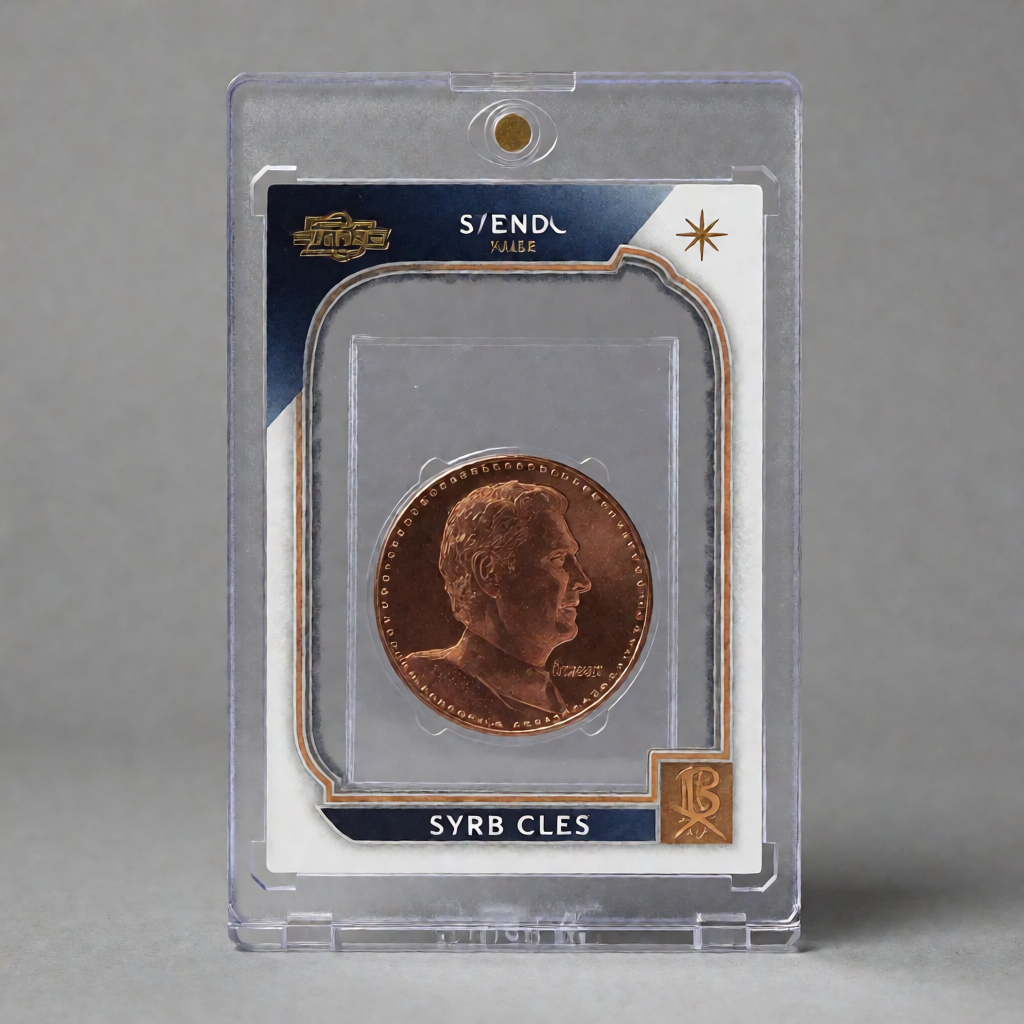
For graded cards, the primary protection is the slab itself — the hard plastic case issued by grading companies such as PSA, BGS, CGC, SGC, or TAG. However, the slab alone is not sufficient for long-term storage or transport. Additional protection layers include:
- Slab guards (magnetic or one-touch holders) that cradle the slab and provide a secondary shell against impacts and scratches
- Corner protectors that shield the slab’s edges from chipping
- Protective sleeves for the slab surface to reduce dust accumulation and minor scuffs
- Multi-slab storage cases (aluminum wallets, acrylic boxes) that organize and protect multiple slabs during transport or display
Why does this matter?
The value of sports cards — especially graded ones — is directly tied to their physical condition. A single dent, scratch, or color change (such as “slabbing” or cloudiness in the case) can significantly reduce market value. A proper protection guide helps collectors understand the trade-offs between display, shipping, and archival storage so they can make informed decisions rather than relying on guesswork.
Collectors who understand protection methodologies can also avoid common mistakes, such as using acidic materials that off-gas and damage card surfaces over time, or selecting the wrong slab size that creates internal movement and increases the risk of impact damage.
For more on how grading policy changes influence accessory selection, see How Grading Policy Changes Affect Card Accessories.
What should you consider when choosing protection?
Choosing the right protection depends on several factors:
- Card type: Raw rookie cards, vintage cards, and modern releases may each need different approaches
- Grading status: Graded slabs require specific-size accessories; raw cards need sleeves and top-loaders
- Storage duration: Short-term display versus long-term archival storage demands different material standards
- Environmental conditions: Temperature, humidity, and light exposure affect material choice
- Frequency of handling: Cards that are frequently viewed or traded need more robust protection than those in long-term static storage
Key Specifications
What are the key specs for sports cards protection?
Understanding specifications helps you match the right protector to the right card. Here are the critical dimensions and material specs to look for:
Card Sleeves
- Material: PP (polypropylene) for basic protection; TPU (thermoplastic polyurethane) for premium flexibility and durability
- Thickness: Typically 200–300 gauge (0.002–0.003 inches)
- Opening style: Top-load vs. side-loading; side-load sleeves are gentler on card corners during insertion
Top-Loaders
- Material: Polypropylene (PP) or crystal-clear acrylic
- Thickness: Usually 20–40 mil (0.020–0.040 inches)
- Sizes: Standard (2.5 × 3.5 inches for raw cards); oversized options for baseball cards and thicker stock
Slab Guards
- Compatibility: Must match the grading service’s slab dimensions — PSA, BGS, CGC, SGC, and TAG all use slightly different sizes
- Material options: Acrylic, silicone, or TPU
- Closure type: Magnetic (cleaner look, easier access) vs. snap-fit vs. friction-fit
Corner Protectors
- Material: Clear PP or silicone
- Design: Open-corner or full-coverage; must align precisely with slab edge geometry
Multi-Slab Storage Cases
- Material: Aluminum alloy, acrylic, or wood-composite
- Capacity: 2, 4, 6, 10, or more slabs depending on model
- Closure: Latch, magnetic, or hinged designs
For a deeper look at TPU as a protection material, see TPU for Card Protection — Material Guide & Selection.
Standards & Requirements
What standards apply to sports cards protection?
While there is no single government-mandated standard for sports card protection products, several widely recognized frameworks and industry expectations guide quality:
Archival safety standards
Materials in direct contact with cards should be acid-free and PVC-free. PVC (polyvinyl chloride) is a known degradant — it can off-gas plasticizers that cause card surfaces to become cloudy or discolored over time. Reputable manufacturers certify their PP and TPU products as archival-safe.
Grading service compatibility
Slab guards and protective accessories must conform to the dimensional tolerances set by major grading companies. A guard that is even 1–2 mm too tight can stress the slab seal; one that is too loose allows the slab to shift internally, increasing the risk of impact damage during handling.
Material certifications
Quality manufacturers adhere to standards such as ISO 9001 for quality management systems and REACH compliance for chemical safety in materials. These certifications ensure batch-to-batch consistency and that products meet recognized safety thresholds for consumer goods.
For guidance on odor and material safety in card protectors, see Protector Odor — Is It Safe?.
Related Considerations
What about raw card protection specifics?
Raw cards require a layered approach. The minimum standard is a high-clarity PP sleeve paired with a rigid top-loader. For high-value raw cards, additional considerations include:
- Using two-piece Mylar or PP sleeves (one inside the other) for maximum surface protection before placing in a top-loader
- Avoiding cheap, thin sleeves that can stick to card borders and cause tearing during removal
- Storing top-loaded cards flat in a cool, dry environment — never vertically under weight, which can warp the card stock
The approach to raw card protection differs significantly from graded card protection, and understanding both is essential for a complete protection strategy.
What about graded card protection details?
Graded cards present unique protection challenges because the slab is both the protective case and the resale unit. Any damage to the slab — scratches on the case face, chip marks on the corners, or stress on the seal — can affect perceived value even if the card inside remains pristine.
Key considerations for graded card protection include:
- Slab size matching: Each grading company uses slightly different slab dimensions. A PSA slab is not the same size as a BGS or CGC slab. Accessories must be labeled for the correct brand
- Magnetic vs. friction-fit holders: Magnetic holders offer easier access and a cleaner aesthetic but require precise alignment. Friction-fit options provide a more secure hold but can be harder to remove without stressing the slab
- Long-term display vs. storage: Display cases should use UV-resistant materials to prevent fading. Storage cases should prioritize cushioning and compression resistance over visual appeal
For a complete walkthrough of graded card protection methods, see How to Protect Graded Cards: Complete Protection Guide.
How the Industry Approaches This
When building protection products, the focus is on precision fit, archival-safe materials, and durability through repeated handling. Manufacturers design slab guards, corner protectors, and storage cases to match the exact dimensional tolerances of major grading services, ensuring cards stay secure without putting stress on the slab seal.
Material selection is equally important — TPU and silicone are commonly used for flexible guards that absorb impact, while acrylic and aluminum provide rigid structural protection for storage and display. Multi-stage quality control ensures each batch meets consistent standards, from raw material inspection through final product verification.
As a manufacturer, our approach to this is rooted in supporting both collectors and retailers with reliable, well-fitted solutions. We work across PSA, BGS, CGC, SGC, and TAG slab sizes, offering everything from individual slab guards and corner protectors to full aluminum wallet systems for multi-slab storage. Our in-house production covers R&D, injection molding, CNC machining, and assembly, which allows us to maintain tight tolerances and respond quickly to custom size or packaging requests. If you’re looking into bulk protection accessories or custom solutions for your business, Reach Out to discuss your requirements.
Sources & References
- How Grading Policy Changes Affect Card Accessories — topcardcase.com
- TPU for Card Protection — Material Guide & Selection — topcardcase.com
- Protector Odor — Is It Safe? — topcardcase.com
- How to Protect Graded Cards: Complete Protection Guide — topcardcase.com
- Reach Out — topcardcase.com