
Metal Graded Card Protectors
Aluminum alloy components for premium, rigid graded card protection
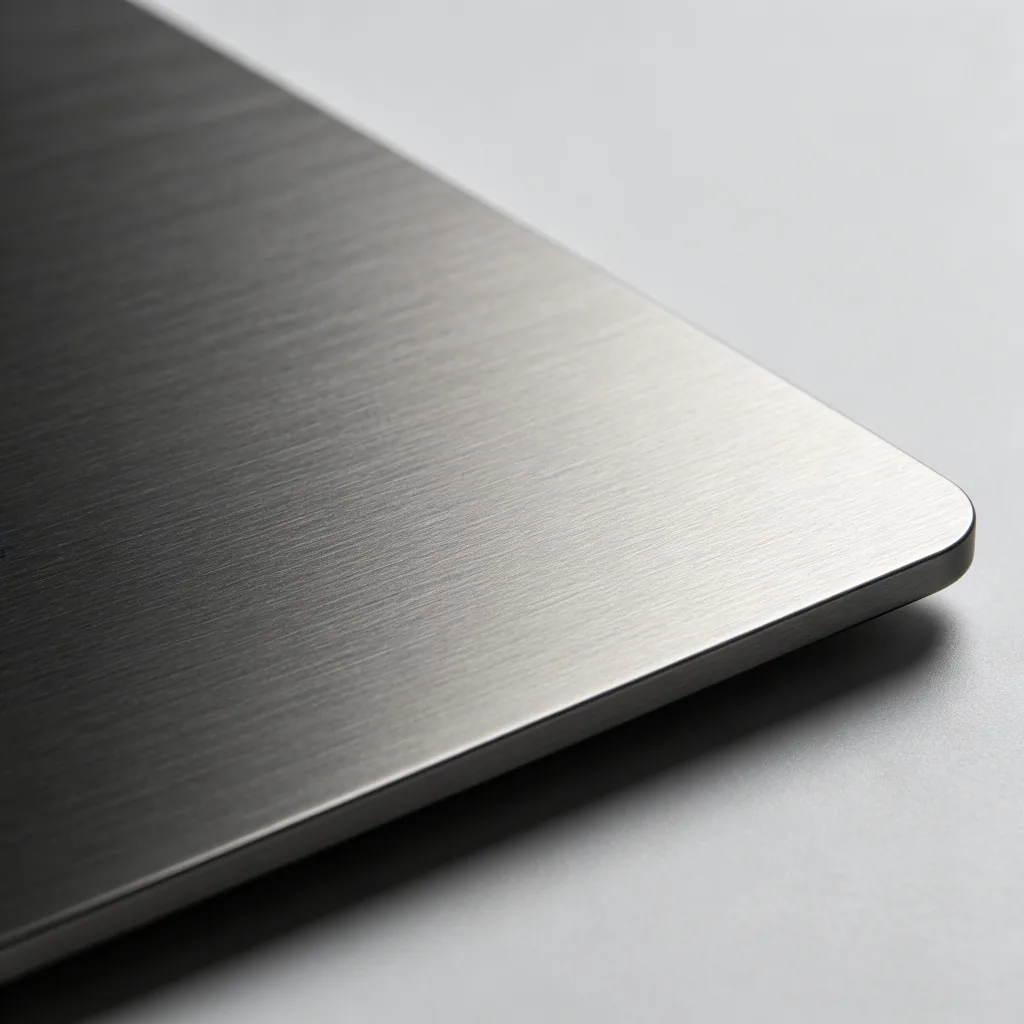
Material Properties
How this material behaves in graded card protection applications.
Why This Material Matters
Advantages
Strength, premium feel, durability
Typical Applications
Reinforced cases, display hardware
Material Guide
Metal components bring premium rigidity, structural strength, and display presence to graded card protection products. TOP uses aluminum alloys and precision CNC machining to create reinforcement frames, display cases, and hybrid protection systems that outperform polymer-only solutions in durability and premium perception.
What Is Metal in Graded Card Protection
In the context of trading card protection, “metal” refers primarily to aluminum alloy components — not solid metal blocks. Aluminum provides the optimal balance of strength, weight, and machinability for card protection applications. TOP uses aluminum alloys in two forms:
- Structural frames — CNC-machined aluminum alloy enclosures that form the rigid shell of premium guards and display cases
- Reinforcement elements — metal edge bands, corner protectors, or hybrid inserts that add rigidity to polymer-based protectors
The aluminum alloy construction provides crush resistance and long-term dimensional stability that TPU, silicone, or acrylic alone cannot match — making metal-reinforced products the top tier in a graded card protection lineup.
Why Aluminum Alloy for Card Protection
Aluminum alloys are selected for graded card protection based on four performance requirements that B2B buyers and collectors prioritize:
Structural Rigidity
Aluminum alloy frames maintain shape under pressure, drops, and stacking. Unlike polymer cases that can flex or warp under heat or sustained load, metal frames provide consistent protection geometry. This is critical for shipping insurance thresholds and long-term archival storage where case deformation could compromise slab integrity.
Precision Machining
CNC machining tolerances of ±0.05 mm enable exact-fit cavities for PSA, BGS, and CGC slabs. This precision eliminates rattle, prevents edge contact, and maintains consistent interior dimensions across production batches — a quality threshold that injection-molded plastics struggle to hold at the same tolerance.
Premium Display Presence
Metal cases carry a weight and tactile presence that signals premium quality to collectors and retail buyers. Anodized finishes in brand colors, laser-engraved logos, and brushed surface textures position metal-reinforced products at the high end of the protection market — ideal for gift retail, premium break bundles, and collector showcase applications.
Long-Term Durability
Aluminum does not yellow, become brittle, or degrade under UV exposure the way some polymers do over 5–10 year timeframes. For collectors storing vintage or investment-grade cards, metal cases provide protection confidence that extends beyond the typical polymer product lifecycle.
Material Properties
| Property | TOP Metal Components | Notes for Buyers |
|---|---|---|
| Base Material | Aluminum alloy (6000 series, anodizing-grade) | Selected for CNC machinability and anodizing response; specific alloy grade confirmed per project |
| Surface Finish | Anodized (Type II) or powder-coated | Anodizing provides wear-resistant color; powder coating offers broader color range |
| Transparency | Opaque frame + glass/acrylic window | Viewing window material selected per product tier |
| Rigidity | High — structural frame load-bearing | Maintains shape under stacking pressure and impact |
| Impact Resistance | High — absorbs and distributes shock | Frame deformation absorbs energy before slab contact |
| Scratch Resistance | Anodized surface: high; raw aluminum: moderate | Anodized layer (8–25 μm) provides surface hardness |
| Temperature Resistance | -40°C to +150°C (anodized aluminum) | No warping, softening, or outgassing in normal storage conditions |
| Weight | Heavier than polymer alternatives | Typically 2–4× the weight of equivalent TPU case; premium perception offset |
| Corrosion Resistance | Anodized layer provides barrier protection | Suitable for normal indoor storage; marine/high-humidity environments may require additional coating |
| Cost Level | Premium — higher than TPU/silicone/acrylic | Positioned as top-tier SKU; unit economics favor higher retail price points |
Manufacturing Process for Metal Components
Metal-reinforced card protection products require a different production workflow than polymer injection molding. TOP’s metal component manufacturing follows this process:
1. Material Selection and IQC
Aluminum alloy stock is sourced in extruded bar or sheet form, certified for anodizing-grade surface quality. Incoming inspection checks alloy composition certificates, surface defect levels, and dimensional tolerance against the drawing.
2. CNC Machining
High-speed CNC mills machine the frame geometry, interior cavity, closure mechanisms, and surface detail. For graded card cases, cavity tolerances are held to ±0.05 mm to ensure consistent slab fit. Tooling paths are optimized to minimize visible tool marks on show surfaces.
3. Surface Treatment
- Deburring — all edges are broken and interior corners are cleaned to prevent slab contact with sharp edges
- Anodizing (Type II) — electrolytic surface treatment that creates a wear-resistant oxide layer; available in standard colors including black, silver, gold, blue, red, and custom-matched tones
- Laser engraving — permanent branding, serial numbers, or decorative patterns are etched through the anodized layer to expose base metal
4. Assembly and Integration
Metal frames are assembled with polymer liners (TPU or silicone inserts), glass or acrylic viewing windows, magnetic or mechanical closure systems, and hardware. Each assembly step includes dimensional checking and functional testing of closures.
5. Final Inspection
100% inspection covers: dimensional accuracy, anodized surface uniformity, closure retention force, edge deburring completeness, and interior cleanliness. See our quality control page for the full inspection protocol.
Metal vs. Polymer Materials — Comparison
| Property | Metal (Aluminum) | TPU | Silicone | Acrylic (PMMA) |
|---|---|---|---|---|
| Rigidity | Maximum | Low | Very low | High |
| Impact absorption | Moderate (distributes) | High | Very high | Low (can crack) |
| Weight | Heavy | Light | Light | Light |
| Transparency | Opaque frame + window | Clear | Clear/translucent | Clear |
| Surface customization | Anodize, laser engrave | Print, mold-in color | Print, mold-in color | Print, edge polish |
| UV stability (long-term) | Excellent | Good | Good | Moderate (can yellow) |
| Temperature range | -40°C to +150°C | -30°C to +80°C | -60°C to +230°C | -40°C to +80°C |
| Cost | Premium | Mid | Mid | Mid |
| Best use case | Premium display, archival | Flexible protection, grip | Soft protection, premium feel | Rigid display, clarity |
Recommended Applications for Metal-Reinforced Protection
Metal components are not suitable for every card protection product. TOP recommends metal reinforcement for these specific B2B use cases:
- Premium display cases — retail environments where product weight and finish signal quality to buyers
- Archival storage — long-term protection of investment-grade cards (vintage, high-value slabs) where material longevity matters
- Shipping overpackaging — high-insurance shipments where crush resistance reduces claim risk
- Corporate and promotional gifts — branded metal cases for card company partnerships, event sponsorships, and VIP programs
- Hybrid protection systems — metal frames combined with TPU bumpers or silicone inserts for multi-layer protection
For buyers serving the mass-market collector segment or shipping-focused channels, TPU and acrylic products typically offer better unit economics. Metal-reinforced products are best positioned as the premium tier in a three-level protection lineup.
Customization and OEM Options
Metal components offer distinct customization capabilities that are not available with polymer products:
Surface Finish Options
- Anodized colors — black, silver, space gray, gold, blue, red, green; custom Pantone matching available for volume programs
- Brushed / bead-blasted — matte textures that hide fingerprints and fine scratches
- Polished — mirror finish for premium display cases (higher cost, more maintenance)
Branding Methods
- Laser engraving — permanent, high-contrast branding on anodized surfaces; no tooling cost for artwork changes
- Pad printing — multi-color logos on anodized or powder-coated surfaces
- Metal badge inlay — separate metal badge insert with enamel or printed logo
Structural Customization
- Interior liner material — TPU, silicone, or microfiber padding insert options
- Window material — tempered glass, high-alumina glass, or acrylic viewing panel
- Closure system — magnetic latch, mechanical snap, or sliding cover
- Cavity dimensions — custom CNC programming for non-standard slab sizes (tooling applies)
For full custom OEM programs involving new metal component designs, see our Custom OEM & ODM page for the development workflow, tooling timelines, and MOQ structure.
FAQ
Need metal-reinforced protection for your product line?
Request specifications, samples, and pricing for aluminum alloy card protection cases. We will review your target slab sizes, volume, and branding requirements.
Build Protection with This Material
Custom sizes, colors and finishing available. Tell us your requirements.