
Quick Answer
What is grading company slab size updates?
Grading company slab size updates refer to the ongoing adjustments that major third-party grading services — PSA, BGS, CGC, SGC, and TAG — make to their encapsulation formats, grading criteria, and physical slab dimensions. These updates are not annual events; they happen incrementally as companies revise grading standards, introduce new slab designs, or adjust material specifications. For collectors and retailers, the practical impact is that slab-protective accessories, storage cases, and display products must be compatible with current and newly updated slab dimensions — which means a product rated for a “standard” PSA slab today may not fit perfectly if the grading company adjusts its encasement size.
Detailed Explanation
Why Do Grading Companies Update Slabs?
Grading companies update their slabs for several interconnected reasons:
Material and durability improvements. Newer encapsulation materials resist yellowing, cracking, and off-gassing better than older formulations. Some companies have moved to thicker plastic housings or redesigned inner cores, which subtly changes overall slab thickness and footprint.
Brand identity and anti-counterfeiting. Updated slab designs often include new holograms, updated barcode placement, or revised label layouts. These cosmetic and structural changes can shift the external dimensions of the slab by fractions of a millimeter — enough to matter when cards are stored tightly in multi-slab cases.
Grading criteria shifts. When a grading company tightens or relaxes its standards, it doesn’t change the physical card itself, but it may change how the card is centered and presented within the holder. A re-graded card submitted in a new format may sit differently inside the slab, affecting the fit of protective sleeves and corner protectors.
Industry-wide consistency. As some companies standardize around particular dimensions, others follow or diverge deliberately. This creates an environment where a single “one size fits all” assumption is risky — each company’s current specifications differ slightly from the last.
How These Updates Affect Collectors and Retailers
If you collect, display, or resell graded cards, slab updates directly affect:
- Protective sleeve fit. PP sleeves and TPU sleeves sized for older slab dimensions may be too tight or too loose on updated slabs, reducing protection or increasing handling risk.
- Multi-slab storage cases. Aluminum cases, acrylic cases, and magnetic slab holders are engineered to specific outer dimensions. Even a 1–2 mm change in slab height or width can cause snug fits or gaps that compromise security during shipping or display.
- Corner protector alignment. Corner protectors designed for a prior generation of slabs may not align correctly with the reinforced edges of a newer design.
- Retail packaging and display. Retail-ready solutions assume certain slab profiles. Updated dimensions may require adjustments to custom packaging, shelf displays, and shipping materials.
Understanding these updates helps you evaluate whether existing protective accessories remain viable or whether replacements are needed to maintain proper protection.
How Do You Choose Products That Accommodate Grading Company Updates?
The core principle is dimension-first evaluation. Before selecting any protective solution — sleeves, top-loaders, corner guards, or storage cases — confirm the exact outer dimensions of the slab you are protecting against the most current published specifications from each grading company. Do not assume legacy product dimensions still apply.
Compare the slab’s actual measurements to the product’s rated inner clearance. Allow a small tolerance band: a sleeve or holder that matches the slab exactly with zero gap can create installation stress, while one that is too loose allows movement inside the protector. The right balance depends on your use case — display-focused storage benefits from a snugger fit, while frequent handling favors slightly more clearance.
Key Specifications
What Are the Key Specs for Current Grading Company Slabs?
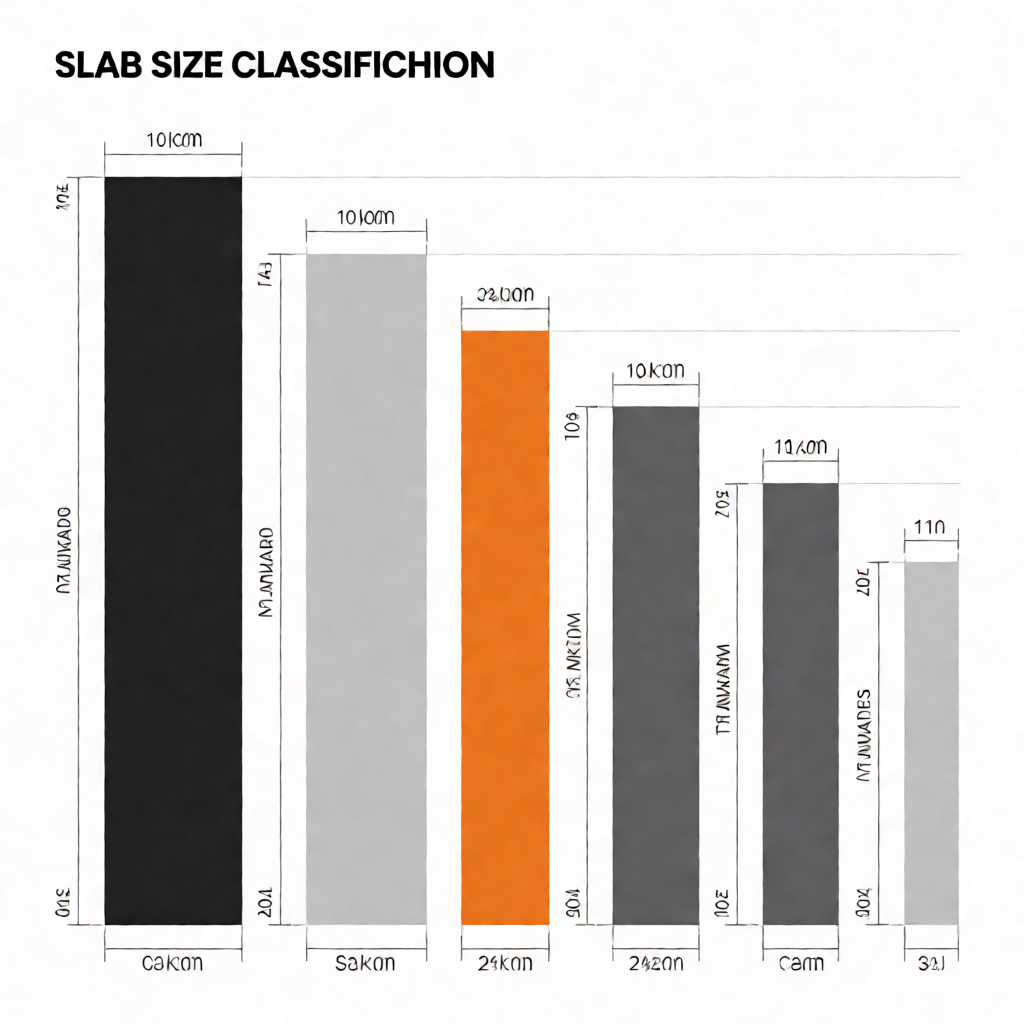
The following table reflects the general outer-dimension ranges for the major grading companies. Dimensions vary slightly by label design and over time as companies refine their encasements, so always verify against the company’s current published spec sheet before purchasing protective accessories.
| Grading Company | Approx. Slab Height | Approx. Slab Width | Approx. Slab Thickness |
|---|---|---|---|
| PSA | 159 mm | 102 mm | 10–12 mm |
| BGS | 159 mm | 102 mm | 10–12 mm |
| CGC | 159 mm | 102 mm | 10–12 mm |
| SGC | 159 mm | 102 mm | 10–12 mm |
| TAG | 159 mm | 102 mm | 10–12 mm |
Important caveat: These figures are representative. The thickness range is especially variable — some slabs measure closer to 10 mm, others approach 12 mm — and companies periodically adjust their molds and materials. A product advertised as fitting “PSA slabs” should explicitly state the dimensional range it accommodates.
What Do These Numbers Mean for Protective Products?
- Sleeves and top-loaders must match both the 159 × 102 mm footprint and accommodate the full 10–12 mm thickness range without forcing the slab.
- Corner protectors should cover the reinforced corners of the outer plastic without bridging over the label area.
- Magnetic slab holders and multi-slab storage cases depend on accurate outer dimensions; even a 1 mm discrepancy across a batch of 24 slabs can create fit issues in tight trays.
For a deeper look at how grading policy changes ripple through protective-accessory specifications, see the how grading policy changes affect card accessories and protective solutions guide.
Standards & Requirements
What Standards Apply to Grading Company Slabs and Protective Accessories?
The grading companies themselves set the primary specifications for their slabs. These are internal standards, not universally published engineering documents, but they govern everything from the plastic grade used to the clarity and labeling requirements.
For protective accessories, the relevant standards come from manufacturing and material safety certifications:
- ISO 9001 — Quality management systems ensuring consistent production and batch-to-batch dimensional accuracy.
- ISO 14001 — Environmental management, relevant when evaluating materials used in protective products.
- REACH / RoHS — Chemical restrictions on materials, important because some older plastics or adhesives can off-gas and affect slab labels over time.
- SGS / TUV — Independent testing certifications that verify material safety and performance claims.
When sourcing protective accessories, ask suppliers to confirm these certifications and to provide dimensional tolerance data. A supplier without documented quality controls may produce sleeves or cases that fall outside the acceptable range for updated slabs.
For guidance on material safety and odor concerns with card protectors, refer to the protector odor guide.
Related Considerations
What Should You Consider When Evaluating Slab-Size Compatibility?
Beyond dimensions, several practical factors determine whether a protective solution will serve you well over time:
Material choice. TPU sleeves offer flexibility and a snug fit but can vary in thickness. Silicone provides softer handling but may attract dust. Acrylic top-loaders are rigid and stable but heavier. Aluminum storage cases are durable for shipping but add bulk. Match the material to your primary use case — long-term archival storage versus frequent handling versus retail display.
Dimensional tolerance. Reputable manufacturers specify an inner-clearance range rather than a single fixed measurement. A product rated for “10–12 mm thickness” is more reliable than one listing only “10 mm.”
Batch consistency. If you are purchasing protective accessories in volume, request sample batches before committing to a full order. Dimensional consistency across a lot matters more than a single perfect unit.
Lifecycle timing. Grading companies do not announce all updates at once. A company may change its slab mold one year and its label design the next. Plan for periodic review of your protective-accessory inventory rather than treating it as a one-time purchase.
What Broader Industry Changes Should You Monitor?
Grading company slab size updates rarely exist in isolation. They are part of a broader cycle of industry evolution that includes:
- Changes in grading standards and certification speed
- New anti-counterfeiting features on labels
- Shifts in market demand that drive new product formats
Staying informed about these changes helps you avoid investing in protective solutions that become incompatible with current slabs. For context on how major collectibles market events and trade shows influence industry direction, see the trade shows and collectibles market recap.
Why Does This Matter for Bulk Buyers and Retailers?
For B2B buyers — distributors, retailers, and private-label brands — slab compatibility is a procurement risk. Ordering protective accessories that do not match current slab dimensions results in returns, customer complaints, and lost shelf space. The most effective mitigation is working with manufacturers who track grading company updates and can adjust product specifications accordingly.
As a manufacturer, our approach to this is straightforward: we monitor the latest published dimensions from each grading company and design our protective solutions — PP sleeves, one-touch magnetic slab holders, rigid top-loaders, and aluminum multi-slab storage cases — to accommodate the full range of current and recently updated slab sizes. Our four-stage QC workflow (IQC–IPQC–FQC–OQC) and ISO 9001 certification ensure batch-to-batch consistency, so the dimensions you receive match what was specified. We also support OEM, ODM, and private-label customization for buyers who need products tailored to specific slab variants or branding requirements.
If you are evaluating protective solutions for current or upcoming grading company updates, contact our team to discuss your specifications.
Sources & References
- how grading policy changes affect card accessories and protective solutions — topcardcase.com
- protector odor guide — topcardcase.com
- trade shows and collectibles market recap — topcardcase.com
- contact our team — topcardcase.com