
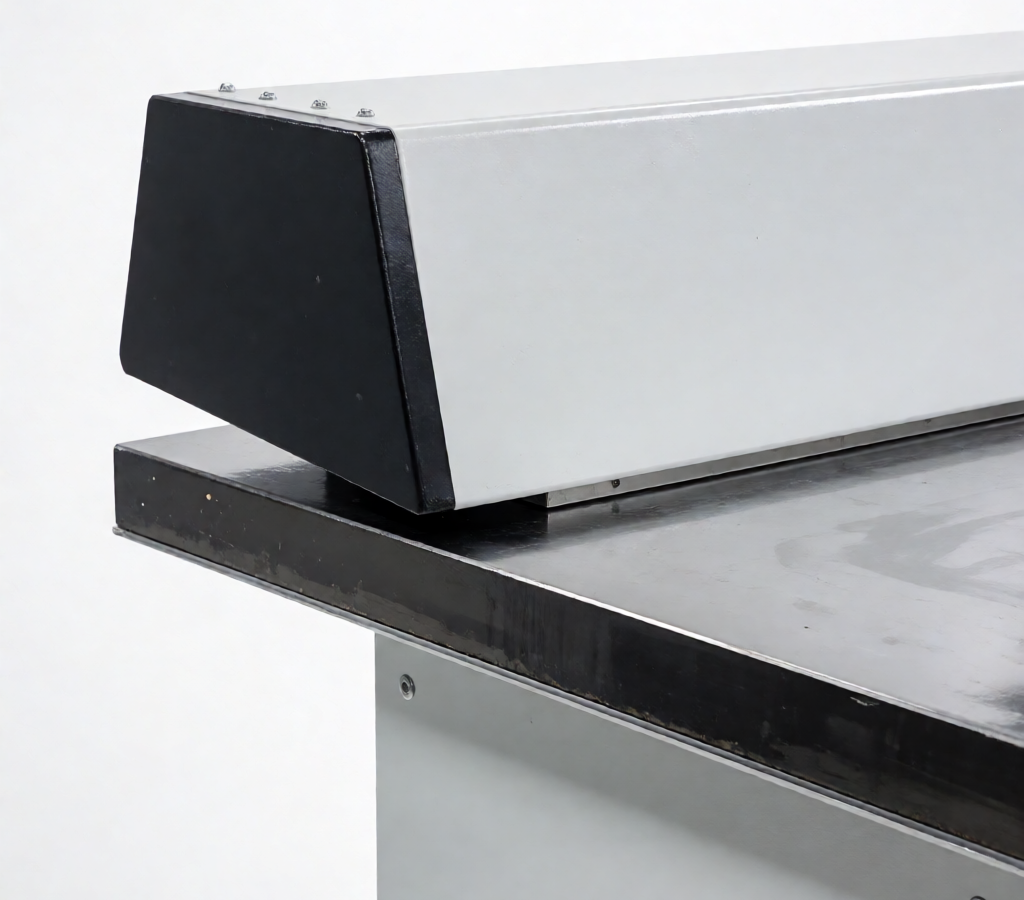
What Is a PSA Slab Guard That Is Too Tall or Loose?
A PSA slab guard too tall or loose describes a protective sleeve that does not match the actual dimensions of a graded trading card slab, leaving the holder either sticking up above the slab edges or sitting loosely inside the plastic case. When the guard is too tall, it extends beyond the slab perimeter, exposing the corners and edges to impact. When it is loose, the slab shifts inside the guard, creating friction points that can scratch the surface or damage the label over time.
This is one of the most common fitment complaints among collectors and distributors. It usually stems from three root causes:
- Wrong guard size selected for the slab type — PSA, BGS, CGC, and SGC slabs are not identical in thickness or width.
- Manufacturing tolerance drift — lower-quality guards may shrink or expand after molding.
- Degraded guard material — cheap TPU or PVC sleeves loosen with repeated handling and temperature changes.
The result is a guard that looks right at first glance but fails to protect the slab properly during shipping, display, or long-term storage.
How Does Proper Slab Guard Fit Work?
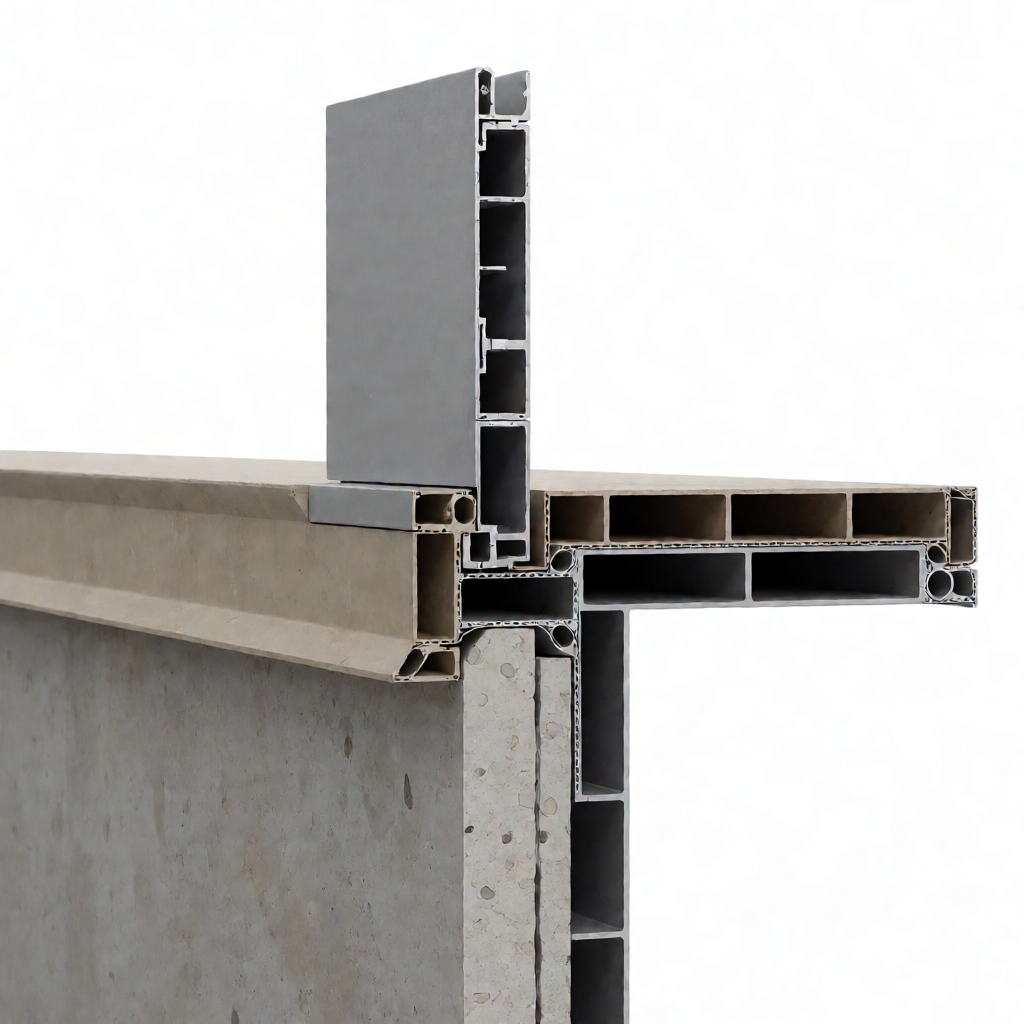
A PSA slab guard is a rigid or semi-rigid protective sleeve that slides over a graded card slab. Its job is to absorb impact, prevent edge contact, and keep the slab stable during handling. For that to work, the guard must meet the slab’s exact outer dimensions — width, height, and thickness — within a tight tolerance window.
When the guard is manufactured correctly, the slab sits snug inside without any lateral movement. The guard walls are flush with the slab edges, and the opening aligns so the label face remains fully visible. A proper fit also means the guard does not compress or stretch the slab — it cradles it.
When that alignment fails, two failure modes appear:
Too tall — The guard’s internal height exceeds the slab’s height. The extra material hangs past the top or bottom of the slab, creating an overhang zone where nothing is protected. A bumped corner in this zone hits the guard’s open edge directly, not the reinforced wall.
Too loose — The guard’s internal width or thickness is larger than the slab. The slab rattles inside, shifts when handled, and the guard walls press unevenly against the slab surface. Over repeated handling, this causes micro-scratches on the plastic and potential label abrasion.
Both conditions defeat the primary purpose of a slab guard: stable, full-coverage protection.
What Are the Key Specs for a Proper Slab Guard Fit?
Getting the fit right starts with understanding the dimensions you’re working against. PSA slabs have a widely accepted standard size, but real-world variations exist — and those variations are exactly where fit issues originate.
The typical PSA slab guard internal dimensions fall within this range:
| Dimension | Target Range | Tolerance Band |
|---|---|---|
| Internal Width | 2.50 – 2.55 in | ±0.02 in |
| Internal Height | 3.50 – 3.55 in | ±0.02 in |
| Internal Thickness | 0.18 – 0.22 in | ±0.01 in |
A guard that measures outside these bands is likely to produce a loose or too tall fit. Keep in mind that these are starting-reference values. Actual PSA slab dimensions can shift slightly depending on the grading year, the specific slab model, and the tolerances of the grading company’s enclosure process.
For collectors working with other major graders, the dimensional landscape changes:
- BGS slabs run slightly thinner, typically around 0.17 in internally.
- CGC slabs are generally closer to PSA but can vary by a few hundredths of an inch.
- SGC slabs have their own thickness profile, often requiring a dedicated guard size.
Using a PSA-specific guard on a BGS slab — or vice versa — is a frequent source of the loose-fit problem. The slab is small enough to slide around, yet large enough that the guard looks visually acceptable at a glance.
Material choice also affects fit retention. TPU guards hold their shape better than soft PVC and resist the gradual widening that causes looseness over time. Acrylic top-loaders provide the most dimensionally stable option but sacrifice some impact absorption. Multi-slab aluminum cases are the next step up for storage, providing rigid containment without relying on individual guard fit alone.
What Standards Apply to Slab Guard Dimensions and Materials?
There is no single ISO standard that governs PSA slab guard sizing. The grading companies set their own enclosure specifications, and the accessory market has adapted to those specs through industry practice rather than formal regulation. However, several measurable standards do apply to the materials and manufacturing quality of slab guards:
- ISO 9001 — certifies that a manufacturer follows a documented quality management system, including consistent dimensional control across production batches.
- RoHS compliance — ensures the materials used (TPU, acrylic, silicone) are free from restricted substances like lead and phthalates that could off-gas and damage slab labels over time.
- REACH compliance — covers chemical safety in the materials, relevant for collectors who handle guards frequently.
- TUV / SGS testing — third-party verification of material composition and physical properties such as tensile strength and dimensional stability.
When evaluating whether a guard manufacturer meets these standards, look for:
- Batch-to-batch consistency — guards ordered months apart should fit the same way. Inconsistent molding temperatures or tooling wear can cause a batch to run slightly oversized, producing loose fits across an entire order.
- Four-stage QC inspection — a proper workflow includes incoming material inspection (IQC), in-process checks (IPQC), final quality checks (FQC), and outgoing inspection (OQC). Each stage catches dimensional drift before it reaches the buyer.
- Certified raw materials — TPU and acrylic sourced from verified suppliers reduce the risk of material shrinkage or warping after the guard is molded.
These standards directly address the root cause of the PSA slab guard too tall or loose problem: inconsistency. A guard that fits perfectly in January but arrives 0.03 in oversized in March has failed the basic expectation of a protective product.
What Should You Consider When Your Guard Feels Too Tall?
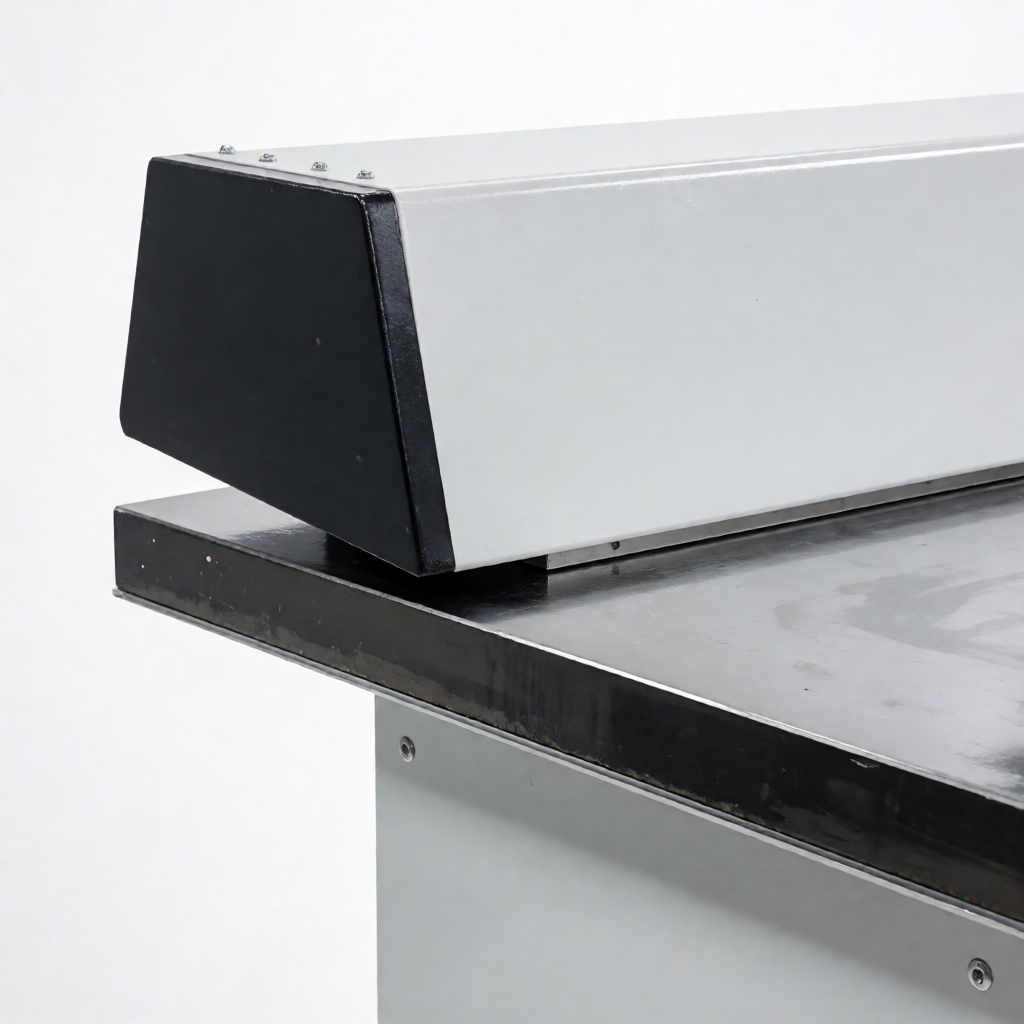
If your slab guard extends above the slab edges, start by confirming the actual slab height with calipers rather than assuming the standard size. Then compare that measurement to the guard’s stated internal dimensions. A mismatch of 0.04 in or more is usually enough to cause visible overhang.
Several scenarios explain a too-tall fit:
Using the wrong guard size category. Some manufacturers label guards as “universal” or “one size fits most.” These rarely account for the slight but meaningful differences between PSA, BGS, and CGC slab profiles. Selecting a guard rated specifically for your slab type eliminates this variable.
Guard material relaxation. TPU and silicone guards that are stretched during installation can slowly return toward their original molded shape. If a guard was forced onto an unusually thick slab and then removed, it may sit looser and taller on the next insertion. Always slide guards on straight — never twist or lever them sideways.
Storage in extreme temperatures. Heat causes plastic to expand slightly; cold causes it to contract. A guard stored in a hot car or near a heater may temporarily swell, creating a looser fit. This is usually reversible but indicates the material lacks sufficient dimensional stability for your environment.
Worn or aged guards. Repeated removal and reinsertion, especially with rough handling, stretches the opening over time. After dozens of cycles, even a well-made TPU guard can lose its grip. Replacement is the only fix at that point.
For collectors experiencing this issue, the solution path is straightforward: measure your slab, verify the guard spec matches, and source from a manufacturer that provides batch-consistent dimensions with documented QC.
What Should You Consider When Your Guard Feels Loose?
A loose fit is arguably the more damaging condition because it is less obvious. The slab looks like it’s inside the guard, but it’s free to shift. Every time you pick up the slab, the interior movement scrapes against the guard walls. Over months or years, this creates fine scuff marks on the plastic and can dull the label area.
Common causes of looseness include:
Under-spec thickness allowance. A guard designed for a 0.18 in slab will feel loose on a 0.20 in slab, but the difference may not be visible until the slab is in use. Always check the internal thickness spec, not just width and height.
Material degradation. Cheaper PVC-based guards break down faster under UV exposure and handling stress. The plastic becomes brittle on the outside while softening on the inside, causing the internal cavity to widen. This gradual loosening is often mistaken for a normal fit issue rather than material failure.
Manufacturing tolerance stacking. A guard that is 0.01 in wide on the oversized side and 0.01 in tall on the oversized side already has a 0.02 in dimensional error. When thickness is also oversized, the slab has freedom on every axis. Tight tolerance control during injection molding is what prevents this compound effect.
Incorrect orientation. Some magnetic slab holders and one-touch guards are designed to close in one direction. Inserting the slab backwards can create the illusion of looseness when the retention mechanism is simply engaged wrong. Always verify the closure direction matches the manufacturer’s design.
To prevent looseness, prioritize guards made from dense TPU or rigid acrylic rather than soft PVC. Verify that the supplier performs IQC on raw material and IPQC during molding. Ask for the documented internal dimension specs before ordering, and request a small sample batch to test fit on your actual slabs before committing to a larger order.
For collectors and retailers looking for protection that accounts for these fit variables, understanding grading policy changes and their impact on accessory requirements can help you stay ahead of compatibility issues. Reviewing recent grading policy shifts provides useful context for why precise fitment matters more now than in previous years.
How to Choose the Right PSA Slab Guard for a Secure Fit
Selecting a guard that won’t turn out too tall or loose comes down to three checks:
Check 1: Match the guard to your slab type. Don’t assume one guard fits all PSA slabs. Confirm the internal dimensions against your specific slab measurements. If you handle multiple grading companies, maintain separate guard sizes for each.
Check 2: Verify the material and construction. TPU offers the best balance of flexibility and dimensional stability. Acrylic top-loaders are the most rigid option. Avoid guards that feel thin or plasticky — those are often PVC blends that degrade quickly. Understanding the differences between TPU and other protective materials helps you make the right choice for long-term use.
Check 3: Test before bulk ordering. Whether you’re a collector buying a small batch or a retailer sourcing for resale, request samples first. Test the fit on your actual slabs, not just the packaging. Check for snugness, label visibility, and ease of insertion.
The connection between proper grading policy and the accessories that protect graded cards has become increasingly important. As grading standards evolve, so do the dimensional expectations for protective solutions. A complete guide to graded card protection methods can help you understand how different protection strategies work together.
How the Industry Approaches Consistent Slab Guard Fit
When a collector or distributor reports that a PSA slab guard is too tall or loose, the complaint points to a gap between specification and execution. The specification side is clear — slab dimensions are well documented, and guard manufacturers publish their internal measurements. The execution side is where inconsistency creeps in: molding temperature variation, tooling wear, material batch differences, and insufficient outgoing inspection.
A manufacturer that treats fit as a core engineering parameter rather than an afterthought approaches the problem differently. Incoming material is verified against specification before it enters production. During molding, in-process checks track cavity dimensions at regular intervals. Final inspection confirms that every batch meets the published tolerance band before it ships. Outgoing quality control catches anything that slips through the earlier stages.
This is the framework that separates guards which maintain their fit over time from those that drift. When dimensions stay consistent batch after batch, the “too tall or loose” complaint drops significantly because the product matches what was specified. Material selection matters too — TPU that passes RoHS and REACH compliance retains its shape far better than untested PVC blends, and that retention is what keeps a guard snug on a slab month after month of handling.
For buyers who need consistent fit across larger orders, partnering with a manufacturer that documents this workflow and provides certifications like ISO 9001 reduces the risk of receiving a batch that doesn’t match the sample. Custom sizing is available when standard dimensions don’t cover a specific slab profile, and prototype samples can be evaluated before committing to full production runs.
If you’re evaluating slab guards for your collection or business, reaching out with your specific dimension requirements is the most direct way to confirm fit compatibility.
Sources & References
- Get a Free Quote — topcardcase.com