TPU vs Silicone vs Acrylic vs Metal: Choosing the Right Card Protection Material
Each protection material solves a different problem: handling, impact, display or transport. A practical comparison for brands choosing their product line.
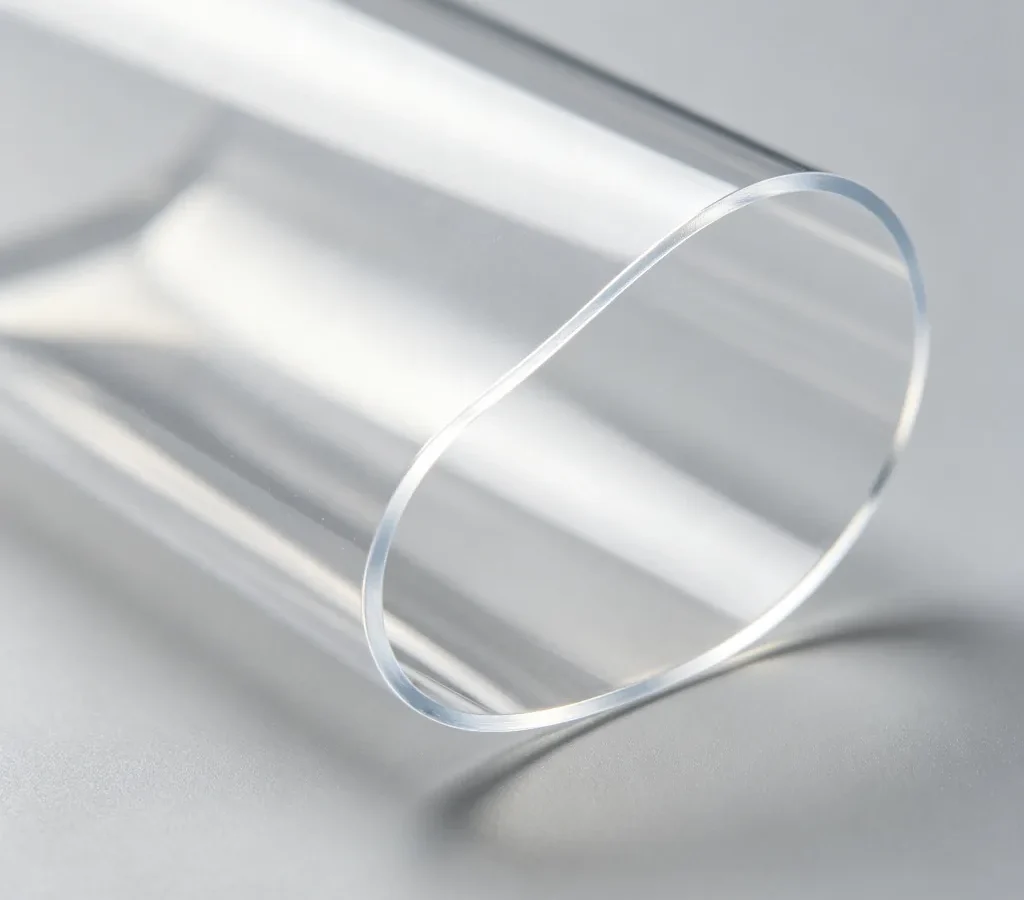
Graded card protection is built from four core materials — TPU, silicone, acrylic and metal. None is “best”; each solves a different failure mode, and most product lines combine them. This guide helps you match material to the job your product is actually doing.
The four materials at a glance
| Material | Best for | Key trade-off |
|---|---|---|
| TPU | Handling & friction protection — sleeves, guards | Clarity and flexibility; soft grades can mark under sharp contact |
| Silicone | Corner & drop impact — bumpers, edge protection | Excellent cushioning; durometer must match the application |
| Acrylic | Display & rigid storage — display cases | Superior clarity; scratch-sensitive, not for drop protection |
| Metal | Premium cases & transport — reinforced shells | Maximum rigidity; higher weight and cost |
How buyers actually use protection
Map the product to the customer’s use case:
- Retail display — acrylic cases win on presentation; clarity is the selling point.
- Daily handling — TPU guards protect against fingerprints, surface scratches and friction while keeping the card visible.
- Shipping & storage — bumpers (silicone or TPU) protect the most vulnerable part of a slab: the corners. Metal shells add rigidity for high-value transport.
- Premium positioning — metal frames and magnetic closures signal collector-grade quality and justify a higher price point.
Material decisions we make with clients
On every OEM project we specify three things in writing: the exact material grade, the durometer or hardness range, and the finish. These are the parameters that separate a consistent factory product from a “looks similar” import. Start a development project if you want to build a line around a specific material combination.